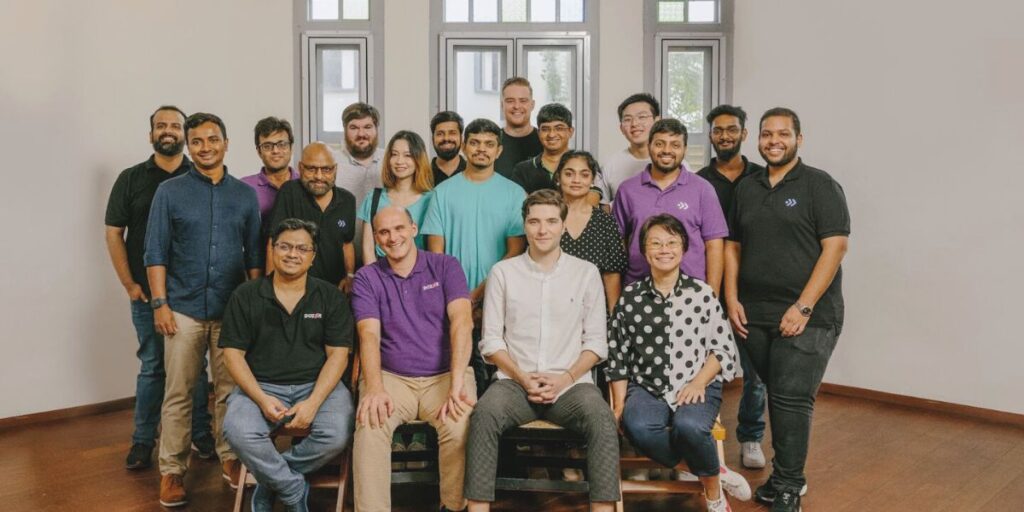
Bengaluru healthtech startup HeyVoli has announced a $500,000 pre-seed round to build AI-powered infrastructure for connected healthcare systems. The company shared the news on October 22, saying the round is expected to be backed by angel investors and venture capitalists focused on healthtech.
Founded in 2023 and led by chief executive Akansha Jalan, HeyVoli is building a connective intelligence layer that lets fragmented hospital systems talk to each other. The startup plans to use the capital to develop its platform and run pilots at select high-volume healthcare facilities over the next six months.
What the platform does
HeyVoli’s platform sits between healthcare data, workflows and systems as a single operational layer. It is designed for clinics, hospitals, laboratories and public health systems, with tools for structured health records, data sharing and live operational visibility.
The company says its architecture is aligned with India’s Ayushman Bharat Digital Mission and uses FHIR-native data standards. That matters because consent-driven sharing is the only model Indian hospitals will accept, and regulatory alignment removes one adoption barrier upfront.
The names of the participating investors were not disclosed in the announcement. For a pre-seed round this is normal, and the size of the round suggests the backers are betting on the team and the problem rather than on revenue.
What the founder says
“Our mission is to harness the power of AI to transform the fragmented healthcare infrastructure globally. This funding will enable us to develop solutions that will help healthcare providers deliver better care more efficiently.”
Akansha Jalan, chief executive of HeyVoli
Why this raise matters
Healthcare data in India is famously scattered across hospitals, labs, clinics and software systems that rarely communicate. When records do not travel with the patient, doctors repeat tests, lose history and waste time that emergency cases cannot afford.
HeyVoli will compete with hospital management software vendors and data-integration platforms that already sell into Indian hospitals. Its harder challenge is proving the system works safely with existing tools while respecting patient consent and privacy.
The honest view
Five hundred thousand dollars is a modest war chest for healthcare infrastructure, which sells slowly and integrates painfully. The promised pilots at high-volume facilities over the next six months are the real milestone to watch, because interoperability claims are cheap and hospital integrations are not.
If HeyVoli can show one hospital running smoother on its layer, this round will have done its job. If it cannot, no amount of platform language will save it. For now, the team has bought itself the right to find out.