The Indian National Space Promotion and Authorisation Centre has offered Rs 67.15 crore to four Indian space startups. The support, announced on 31 October 2026, targets satellite propulsion, in orbit refuelling, precision timing and navigation chips. It is a technology bet, not a launch programme.
The distinction matters for readers. The figures are amounts offered to the four companies, not money already paid out and not a single equity round. Each project still has to develop, test and prove its technology before it can be used on a working satellite.
What each startup will build
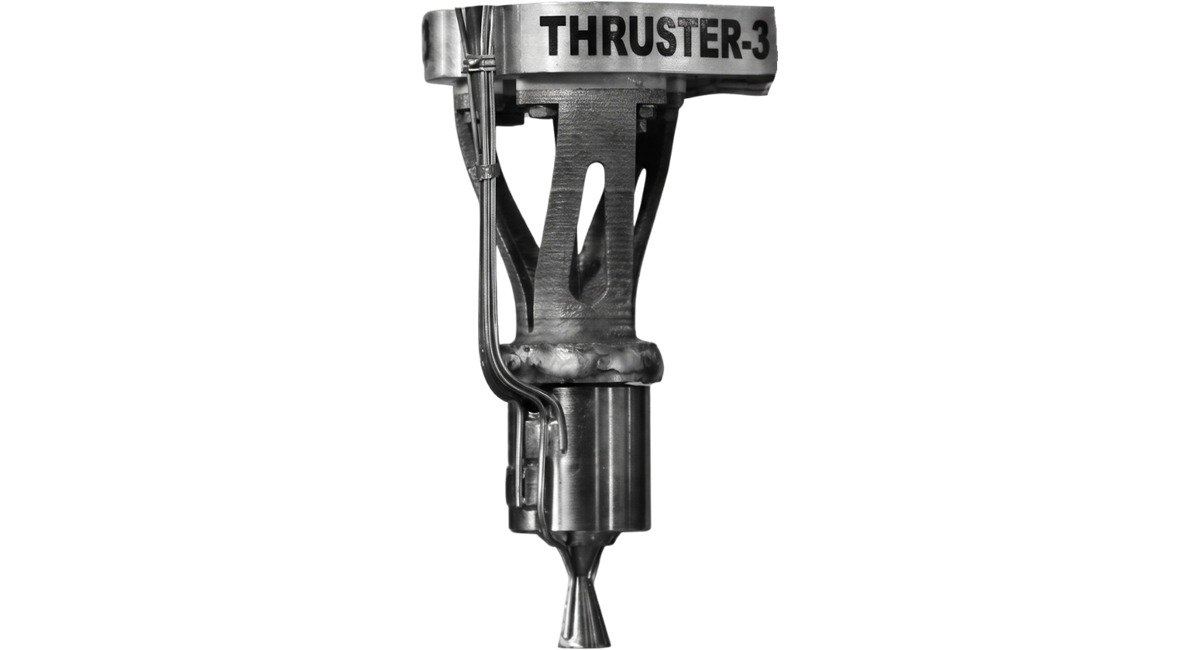
Manastu Space Technologies will receive the largest share, at Rs 22.08 crore, for an iodine fuelled engine for small satellites. Iodine can be stored as a solid, which may simplify handling compared with conventional liquid propellants. The project aims to make small satellite propulsion more compact and more affordable.
InspeCity Space Laboratories has been offered Rs 21.18 crore for technology that could let satellites refuel while they remain in orbit. Most satellites stop working when their fuel runs out, even if their electronics still work. Refuelling could extend their working lives and reduce the need for early replacements.
VyomIC will receive Rs 12.55 crore to develop accurate clocks for deep space navigation. Navigation depends on measuring how long signals take to travel, so even a small timing error can become a position error. Accurate clocks matter most far from Earth, where spacecraft cannot wait for fresh instructions.
MumbaiSemi has been offered Rs 11.34 crore to develop chips that work with both GPS and India’s NavIC system. A navigation satellite is useful only when a receiver chip can hear its signal. A chip that supports several systems could give makers more flexibility and reduce dependence on imported parts.
Why these four gaps matter together
The four projects cover a supply chain rather than a single product. Propulsion moves a satellite, refuelling keeps it working, timing tells it where it is, and a chip turns signals into navigation. Building these parts at home changes who controls a mission.
That logic also explains why the amounts are uneven. Propulsion and refuelling are hardware heavy and carry higher test costs, while clocks and chips need precision engineering but smaller pilot builds. The split follows the engineering problem, not a simple equal division among four names.
What the companies bring into the programme
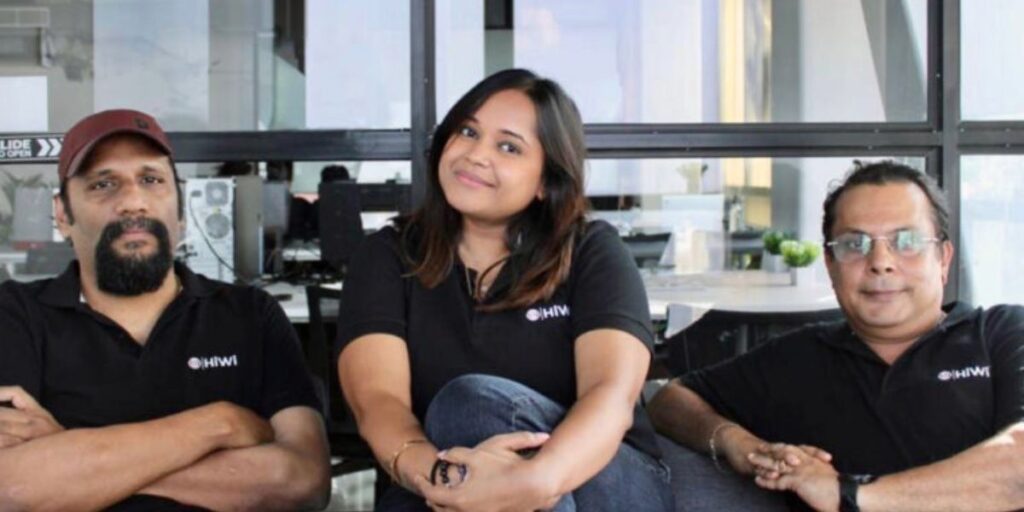
Manastu, founded in 2017 by Tushar Jadhav and Ashtesh Kumar, works on green propulsion and debris avoidance for satellites. It raised Rs 22 crore in a Series A extension in October 2026, a separate equity round from this IN-SPACe support. Its earlier work gives the iodine engine a tested base.
InspeCity, founded in 2022 by Arindrajit Chowdhury and Tausif Shaikh, builds satellite servicing technology. It raised Rs 100 crore in a pre Series A round in August 2026 and plans four in orbit missions over the next 12 to 18 months. That plan is the test for its refuelling work.
VyomIC, founded in 2023 by Lokesh Kabdal, Vibhor Jain and Anurag Patil, is building a low Earth orbit positioning, navigation and timing constellation. It raised $1.6 million in a pre seed round in September 2025 led by Speciale Invest. Its founders previously led the Avishkar Hyperloop team at IIT Madras.
MumbaiSemi, founded in 2024 by Vijay Kanchetla and Rajesh Zele, is an IIT Bombay spinout commercialising DhruvaPro, a radio frequency chip for navigation receivers. The chip is designed to support NavIC, GPS, Galileo, GLONASS and BeiDou on one platform. It has completed pilots and remains pre revenue.
The wider space ecosystem
Government information presented in Parliament in August 2026 put around 440 space technology startups on the DPIIT Start-up India portal. IN-SPACe had granted 113 authorisations to 52 non government entities, including 18 startups. Private investment in the sector had reached about $618.5 million by 31 March 2026.
That context helps explain the timing. India is no longer short of space startups, but it is still short of several critical components that make a complete mission possible. A programme that funds components, rather than another launch vehicle, is aimed at that narrower gap.
A test that goes beyond the cheque
The announcement is a starting point, not a result. Each team must still show that its hardware works reliably in space conditions, where repair is difficult and failure is expensive. Government support can shorten that path, but it cannot replace flight tests, customer orders and manufacturing discipline.
If even two of the four projects reach working products, India will own more of the parts that currently sit inside imported systems. That is the real measure of this programme, and it will be judged on hardware in orbit, not on the size of the announcement.