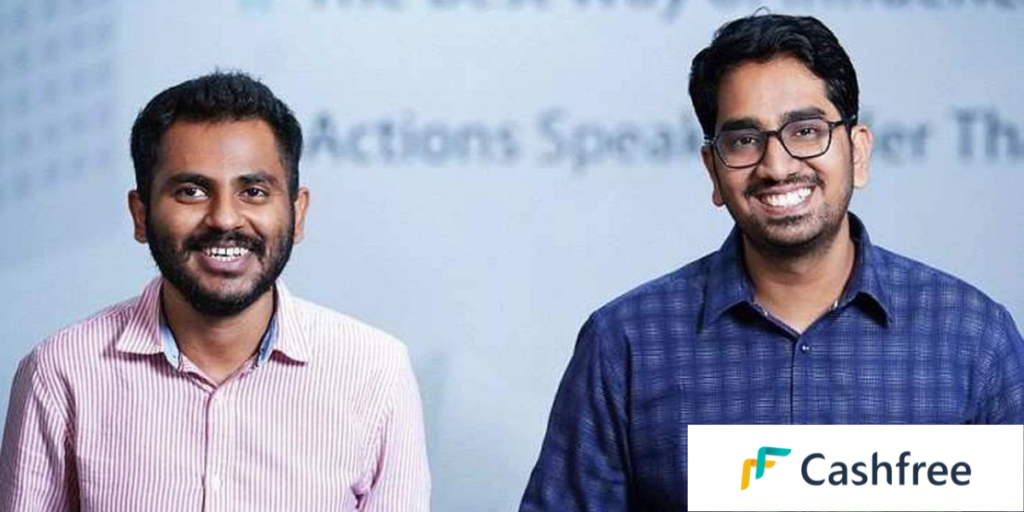
Shivam Pandey left engineering to build DiRECTIV, an education startup founded in Haldwani with a vision to help students across India develop practical skills in content creation and finance.
Those questions became DiRECTIV, a learning platform from Haldwani, Uttarakhand, that teaches students the practical skills formal education usually skips. The company was founded in 2026 by Shivam Pandey, Umang Mahra and Pankaj Sharma.
A dropout with questions
Shivam enrolled in a Bachelor of Technology programme in Computer Science Engineering. He eventually decided to drop out, a choice that brought uncertainty and difficult conversations about what he would do next.
It also pushed him to think seriously about the relationship between education, employability and the skills needed to navigate professional life. Around him, students were pursuing degrees and preparing for examinations, yet many struggled with practical matters.
How do you communicate confidently with someone you have never met? How do you present your abilities to a potential employer? How do you build a professional identity? How do you manage your first income?
These questions stayed with him. Over time, they became the foundation of DiRECTIV.
Before starting the company, Shivam spent several years working with teams, mentoring individuals and building communities. Much of his early work involved young people who wanted to improve their communication, develop confidence and explore ways to earn independently. He also began creating content on social media.
Gradually, he realised these skills were connected. Someone who could communicate clearly was better equipped to present ideas. Someone who understood storytelling could explain complicated concepts more effectively. Someone with financial awareness could make better decisions about income and spending.
Three different backgrounds, one problem
In 2026, Shivam began discussing what he had observed among students and young professionals more seriously with Umang Mahra and Pankaj Sharma. Each brought a different background to the conversation.
Umang is a Chartered Accountant with more than eight years of experience in finance, investments and equity markets. Pankaj is an Advocate with more than ten years of experience in finance analysis, taxation and financial advisory. Shivam, the Founder and CEO, is a creator coach with more than four years of experience building in the digital space.
Their conversations kept returning to one problem. There is a distance between acquiring knowledge and developing practical capabilities. The three decided to build something that helps young people move beyond theoretical understanding and apply what they learn in real situations.
The gap between knowing and doing
DiRECTIV is built on a simple observation. A student may have academic knowledge but struggle to communicate confidently during an interview. Another may have creative ideas but not know how to build a personal brand or a digital presence.
Someone entering a first job may begin earning money without understanding budgeting, saving or basic financial decisions. These are not problems that more information can solve, because information is already widely accessible.
The challenge is the absence of opportunities to practise, receive feedback and understand how knowledge applies outside a classroom. DiRECTIV aims to address that gap by focusing on practical capabilities that support personal, professional and financial development.
The intention is not to replace formal education. Academic learning and practical skill development serve different but complementary purposes. DiRECTIV wants to help people connect what they learn with the situations they encounter in the real world.
Two pathways to start
The team began with two learning pathways rather than trying to cover every aspect of education and employability at once. The first is Creator to Career, which focuses on content creation, personal branding, storytelling and the practical work of developing a digital presence.
Creating content involves more than uploading posts or making videos. It also requires communication, creative thinking, understanding an audience, presenting ideas and developing a consistent personal identity. Learners get opportunities to practise, experiment, receive feedback and gradually develop their abilities.
The second pathway is Decoding Finance, which focuses on financial awareness, money management and everyday financial decisions. It covers budgeting, saving, income management and investing fundamentals, and aims to make financial concepts approachable for people beginning to manage their own money.
Both pathways reflect the same philosophy. Learning should lead to application. A student might understand the definition of public speaking and still struggle to introduce themselves confidently. DiRECTIV wants its learning environment to close that gap between understanding and action.
Learning by doing, not watching
One of the earliest decisions was about what kind of learning environment to create. The founders did not want another platform that collected recorded lectures and left students to figure everything out alone.
Instead, the model is built around live interaction, structured guidance, practical assignments and community participation. Students can ask questions, practise skills and receive feedback while learning. The platform also offers a skill assessment that helps learners explore their interests and find a starting point.
The team also publishes free practical guides on its blog, covering topics such as index funds, hostel budgeting, opening a demat account as a student, and choosing between a SIP and a fixed deposit. The guides reflect the same approach as the paid programmes, which is to explain money and content in plain language tied to real situations.
Early days, deliberately slow
DiRECTIV is still at an early stage. The team is focused on structuring its programmes, understanding what students need, and building an organisation that can deliver guidance consistently.
One lesson from these early months is that a strong vision brings people together, but execution depends on responsibilities, processes, feedback and accountability. The immediate priority is not reaching more people. It is understanding whether the people who join are receiving an experience that genuinely helps them move forward.
For an early-stage company, that means paying attention to the quality of learning, the relevance of the programmes, and the ability to improve based on feedback. The team sees this stage as a chance to build a stronger foundation before pursuing wider growth.
“Students today have access to more information than ever before. But access to information does not automatically translate into the ability to apply it. We started DiRECTIV because we believe people need more opportunities to practise, receive guidance and develop the skills that help them navigate real life.”
— Shivam Pandey, Founder & CEO, DiRECTIV
What comes next
The broader vision is to make practical life skills development more accessible and structured for students and young professionals. The initial focus on content creation and financial awareness reflects two areas of everyday life, which are how people communicate and create opportunities, and how they understand and manage money.
Over time, the aim is to build an environment where individuals can develop the practical capabilities needed to navigate personal, professional and financial decisions. Growth, for DiRECTIV, is not only about more programmes or a larger audience. It is about keeping the learning experience useful, accessible and relevant to the people it serves.
At its core, DiRECTIV is built around a simple belief, which is also its tagline. Build the skills life doesn’t teach you. The idea is not that formal education is unimportant. It is that academic knowledge and practical capabilities need to work together, and sometimes the questions left unanswered in a classroom become the starting point for learning in the real world.
A note on this story. This story is based on material shared by DiRECTIV’s founders and on the company’s own website. The details and figures in it have not been independently verified by KeeVurds.