New Delhi based Bharat Semi has raised $24 million in an all-equity seed round to build programmable image sensors that combine capture, processing and artificial intelligence on a single chip. The round was led by Info Edge Group, South Park Commons and Indus Bridge Ventures.
Valour Capital, Micromax, Gaingels and individual investors also joined the round. The company plans to use the money to expand its engineering team, finish product development and bring its sensors to market.
One chip instead of three
Today a camera that needs to understand what it sees usually pairs a separate image sensor, an image signal processor and a system-on-chip. Bharat Semi folds all three jobs into one programmable sensor, so machines can decide on the device instead of sending every frame elsewhere.
Co-founder Vrinda Kapoor said the integrated design could cut system costs by at least 70 percent against a conventional three-part setup. The saving matters because intelligence in every device has to be affordable at scale, from appliances to drones.
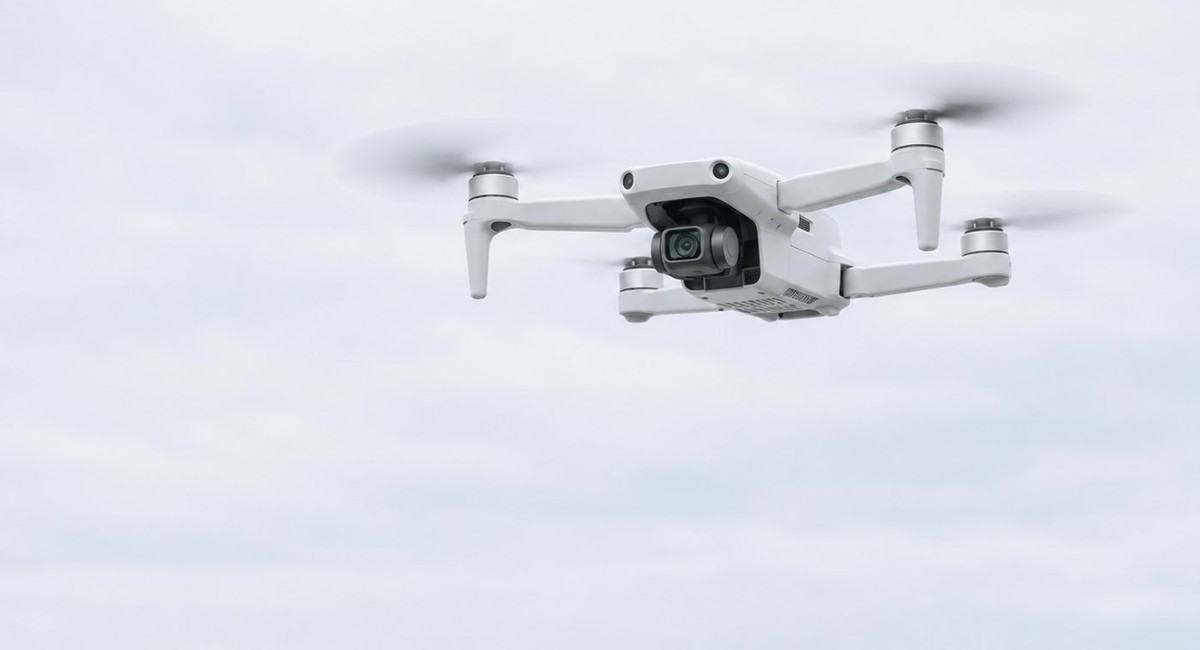
The company is aiming its sensors at smart homes, industrial automation, surveillance and aerospace. Its own examples include air conditioners that sense where people sit and drones that process what they see without heavier computing hardware on board.
Drones are fast becoming a test bed for machine vision. KeeVurds recently covered NXP launching a robotics platform that builds a working drone in 30 minutes.
Our aim here is to move from sensors to sense-making solutions.
Vrinda Kapoor, co-founder and chief executive of Bharat Semi
Early customers before revenue
Bharat Semi is still pre-revenue, yet it says it has already secured design wins with United States defence technology company General Atomics and Indian manufacturer Kaynes Semicon. A design win means a customer has chosen the sensor for its own development programme.
The first generation of sensors is already in prototyping. The second generation, with more advanced AI features, is expected to reach the prototype stage by mid-2027, and the company aims to get those sensors into customer hands by the end of 2027.
Commercial production is targeted for 2027. That date is the one to watch, because it turns design wins and prototypes into shipped product and real revenue.
The team behind the sensors
Kapoor co-founded Bharat Semi in late 2021 with Vinayak Dalmia, the managing director, who previously worked at McKinsey and in private equity. Kapoor is a South Park Commons fellow who earlier worked in healthcare technology.
Chief technology officer Boyd Fowler previously held the same role at image sensor maker OmniVision. The company has about 75 employees across India and the United States, with engineering and business development in Santa Clara.
Bharat Semi plans to raise its United States headcount to around 20 by mid-2027 and has begun hiring engineers in Europe. The company has offices in New Delhi, Bengaluru and San Francisco, according to its website.
It is a story of can we build a global technology company out of India.
Vrinda Kapoor, co-founder and chief executive of Bharat Semi
A fab plan that stays separate
In 2024 Bharat Semi announced plans for a semiconductor fabrication project in India involving a technology partnership with the United States Space Force. That initiative remains in development while the company looks for domestic partners to build and operate the facility.
The new funding will not finance that project. Bharat Semi plans to stay fabless, outsourcing chip manufacturing while it focuses on semiconductor design and software.
Riding India’s chip push
The raise lands as India builds a domestic semiconductor industry. The India Semiconductor Mission was approved in December 2021 with an outlay of Rs 76,000 crore, and 12 projects worth over Rs 1.64 lakh crore have been approved under its first phase.
Kaynes, one of Bharat Semi’s design win customers, is among the manufacturers already producing under the programme. For a chip design startup, that local ecosystem matters as much as the capital, because fabrication partners and customers are now in the same market.
What happens next is concrete. The second generation prototype is due by mid-2027, first commercial production is targeted for the same year, and the design wins must turn into orders.


