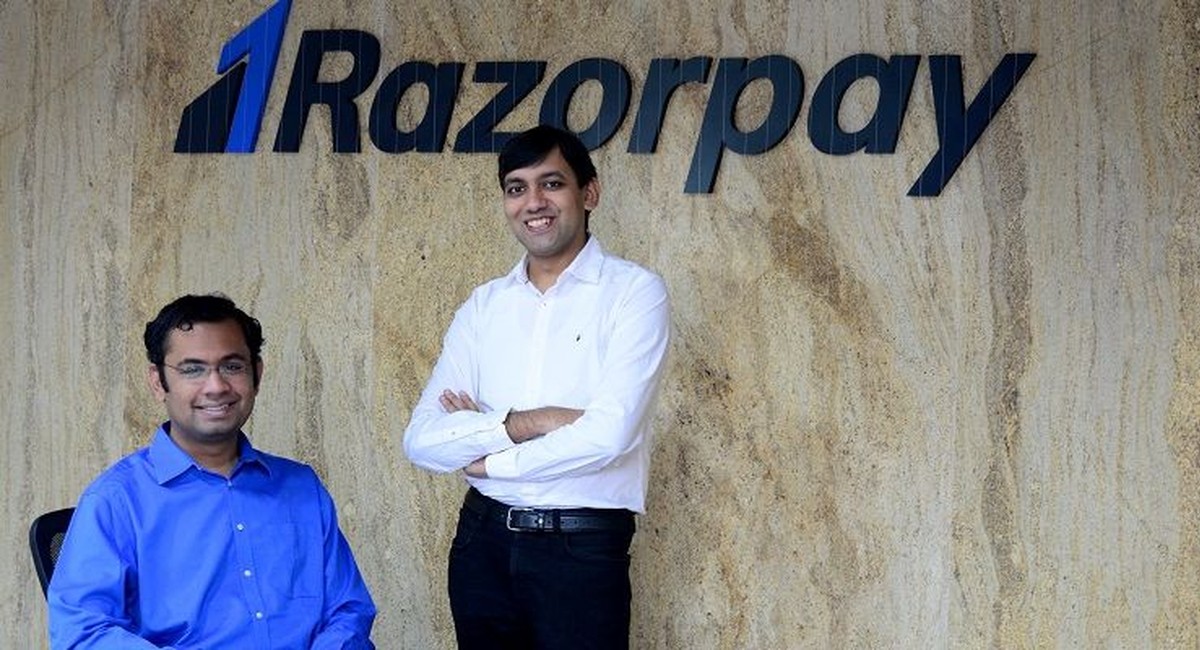
Bengaluru payments company Razorpay has cleared the biggest regulatory hurdle on its way to the stock market. The Securities and Exchange Board of India has issued its observations on the company’s draft IPO papers, a step that allows Razorpay to proceed with its public issue.
SEBI issued its observations on 3 November, and the clearance surfaced in the regulator’s processing status update published on 13 November. Razorpay had filed its draft papers through the confidential route in June, which lets a company seek regulatory feedback without making its financial details public at once.
What the listing could look like
Reports put the issue size at between Rs 5,000 crore and Rs 6,000 crore, or roughly $530 million to $630 million. The company itself has not disclosed a final size, a price band or subscription dates, so those figures remain market estimates for now.
The offering is expected to combine a fresh issue of shares with an offer for sale by existing investors. Shareholders have already approved a fresh issue worth Rs 2,700 crore, while the split between new shares and existing shares on sale has not been disclosed.
Razorpay is targeting a valuation of around $5 billion, or about Rs 47,000 crore, with a listing likely between January and March 2027. That is below the $7.5 billion valuation the company commanded in its last private funding round in 2021.
A long road back to India
Razorpay was founded in 2014 by Harshil Mathur and Shashank Kumar, and it has grown from a payment gateway into a full stack fintech platform covering business banking, payroll and lending. The company has raised more than $800 million from investors including Y Combinator, Tiger Global, Ribbit Capital and Lightspeed.
Ahead of the listing, Razorpay moved its parent company back from the United States to India, completing the shift in May 2025. Companies that file confidentially get 18 months from SEBI’s observations to launch, which gives Razorpay room to pick its listing window.
The numbers behind the listing
Razorpay reported consolidated revenue of Rs 3,783 crore in FY25, up 65 percent from Rs 2,296 crore a year earlier. Gross profit rose 41 percent to Rs 1,277 crore, driven by its payment gateway, point of sale products, loyalty programmes, business banking platform RazorpayX and international operations.
The same year brought a net loss of Rs 1,209 crore, driven by employee stock ownership expenses and one time restructuring and tax costs linked to the move back to India. The company has said its core online payments business is profitable on an operating basis.
Beyond payments, an AI push
Razorpay has been building AI products alongside its IPO preparations. It has launched Vulcan, a transformer based AI model for digital payments, and Agent Studio, a platform for deploying task specific AI agents that around 200 businesses were using in beta as of August.
Last month the company also expanded a partnership with OpenAI to help Indian brands advertise on ChatGPT through its growth marketing platform Razorpay Engage. The AI work gives the listing story a second leg beyond transaction fees.
A busy week for IPO approvals
Razorpay was not the only company to clear SEBI this week. MakeMyTrip’s India arm received the regulator’s observations on 6 November for an offer for sale IPO, while Sembcorp Green Infra was cleared on 13 November for a fresh issue of up to Rs 3,750 crore.
The approvals add to a steady pipeline of fintech listings. Scripbox converted into a public company earlier this month ahead of its own planned IPO, and Paytm received in principle approval from the Reserve Bank of India this week to bring back its wallet.
One matter investors will watch
Separately, the Karnataka High Court on 4 November declined to quash a Serious Fraud Investigation Office complaint naming Mathur and Kumar as accused over alleged lapses in merchant onboarding and transaction monitoring. The complaint concerns transactions of about Rs 320 crore linked to a digital lending company.
The allegations remain untested at trial and no finding of guilt has been recorded. The company maintains that it follows compliance rules, and the matter will be one investors track as the listing process moves ahead.
What happens next
Razorpay will now file its updated draft papers publicly and set a price band before opening subscriptions. With the listing expected in the January to March quarter, the next public markers will be the filing itself and the final issue size.